
Conversion
The Psychology Behind High-Converting Websites (And How to Apply It)
Getting traffic to your website is only half the job.
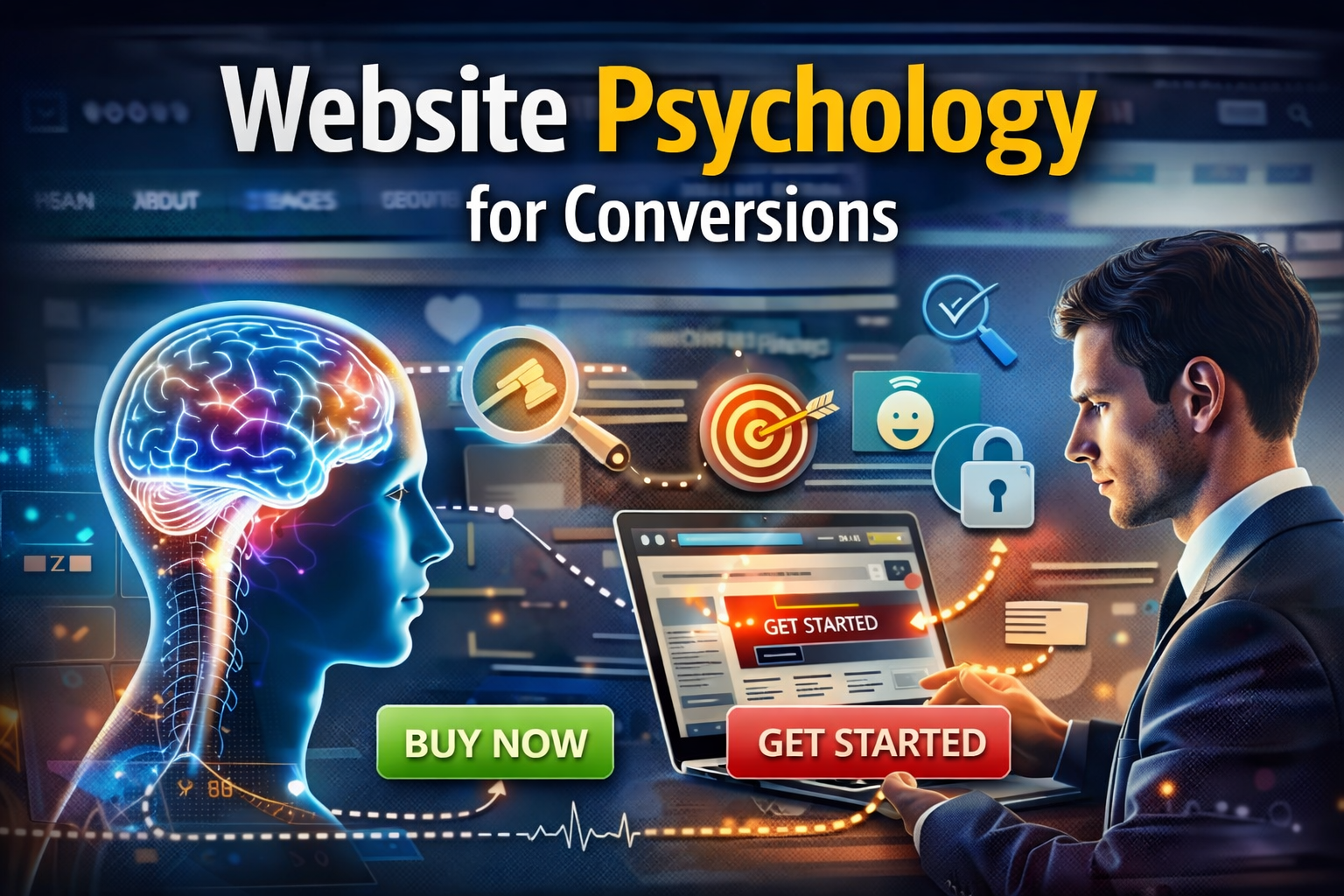
What really matters is what people do once they land on it.
Do they stay? Do they trust you? Do they take action?
High-converting websites aren’t built by accident. They’re designed with psychology in mind. Small details in layout, wording, and structure can make a big difference in how people behave.
Let’s break down the key psychology principles behind websites that actually convert and how you can apply them.
Why Website Psychology Matters for Conversions
People don’t browse websites logically. They react emotionally first, then justify their decisions later.
That means your website needs to:
- Build trust quickly
- Reduce friction
- Guide attention
- Make decisions feel easy
When you understand user behavior, you can design a site that naturally leads visitors toward action.
1. First Impressions Shape Trust Instantly
Users form an opinion about your website in seconds. This is where visual design and layout play a huge role.
If your site looks outdated, cluttered, or inconsistent, visitors hesitate.
SEO Keywords naturally included: website design, user experience, website trust
How to apply it:
- Use clean, modern design
- Keep spacing consistent
- Avoid too many colors or fonts
- Make your branding clear and cohesive
A simple, polished design signals credibility right away.
2. Clear Messaging Reduces Cognitive Load
If visitors have to think too hard to understand what you do, they leave.
This is called cognitive overload , and it’s one of the biggest conversion killers.
SEO Keywords: website messaging, conversion optimization, website clarity
How to apply it:
- Use a strong, clear headline
- Explain your value in one sentence
- Avoid jargon or vague language
Example:
Instead of: “Innovative Digital Solutions”
Say: “We Build Websites That Turn Visitors Into Customers”
Clarity always beats cleverness.
3. Social Proof Builds Confidence
People trust other people more than they trust businesses.
That’s why social proof is one of the most powerful tools for increasing website conversions.
SEO Keywords: social proof, website conversions, testimonials
How to apply it:
- Add testimonials from real clients
- Show reviews or ratings
- Include case studies or results
- Display logos of clients or partners
When visitors see others have had a good experience, they feel safer taking the next step.
4. Visual Hierarchy Guides Attention
Not everything on your page should compete equally.
Good websites use visual hierarchy to guide users toward key actions.
SEO Keywords: website layout, UX design, conversion design
How to apply it:
- Make headlines larger than body text
- Use contrast for buttons (CTAs)
- Keep important content above the fold
- Use whitespace to separate sections
You’re not just designing a page. You’re directing attention.
5. The Power of Simplicity
Too many options can overwhelm users and lead to inaction. This is known as decision fatigue .
SEO Keywords: website simplicity, user experience design, conversion rate optimization
How to apply it:
- Limit the number of choices on each page
- Focus on one main goal per section
- Remove unnecessary elements
A simple website is easier to navigate and more likely to convert.
6. Strong Calls-to-Action Drive Results
Even if someone is interested, they won’t act unless you guide them.
Your call-to-action (CTA) needs to be clear, visible, and compelling.
SEO Keywords: call to action, increase conversions, website CTA
How to apply it:
- Use action-driven language (“Get Started,” “Book a Call”)
- Place CTAs strategically throughout the page
- Make buttons stand out visually
Don’t assume users know what to do. Tell them.
7. Consistency Builds Comfort
When your design, tone, and structure feel consistent, users feel more comfortable staying on your site.
Inconsistency creates doubt.
SEO Keywords: brand consistency, website experience, UX consistency
How to apply it:
- Use the same colors and fonts throughout
- Keep messaging aligned across pages
- Maintain a consistent tone of voice
Familiarity builds trust.
How to Start Improving Your Website Today
You don’t need a full redesign to see results.
Start with these quick wins:
- Improve your homepage headline
- Simplify your layout
- Add testimonials
- Make your CTA clearer
- Remove anything that feels unnecessary
Small changes can have a big impact on conversions.
The Bottom Line
High-converting websites are built around people, not just design.
When you understand how users think, what they feel, and how they make decisions, you can create a website that works with them instead of against them.
Focus on clarity, trust, and simplicity. The rest follows.
FAQs
What is website psychology?
Website psychology is the study of how users think, behave, and make decisions when interacting with a website. It helps improve user experience and increase conversions.
How can I increase conversions on my website?
Focus on clear messaging, fast load times, strong calls-to-action, and trust signals like reviews and testimonials. These directly impact user behavior.
Why is social proof important for websites?
Social proof builds trust by showing that other people have had a positive experience with your business, making new visitors more likely to convert.
What is cognitive overload in web design?
Cognitive overload happens when users are presented with too much information or too many choices, making it harder for them to take action.
Do small design changes really affect conversions?
Yes. Even small improvements in layout, wording, or CTA placement can significantly increase conversion rates over time.